What is a fracture?
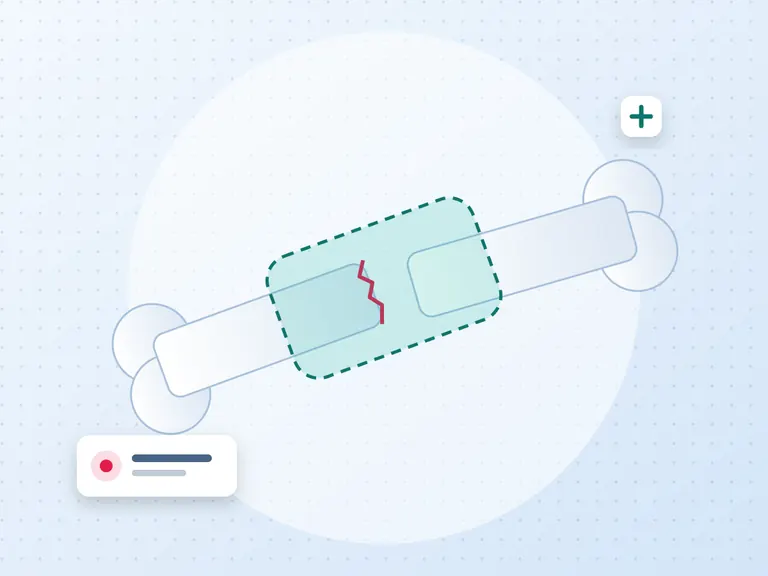
A fracture is a crack or break in a bone. It can be a thin hairline crack, a clean break, or a break where the pieces have moved out of position. Fractures are common after two-wheeler accidents, falls at home or at work, and sports injuries. In elders, weak bones (osteoporosis) can break even after a small slip.
Signs of a fracture
- Sudden pain that gets worse when you move or press the area
- Swelling and bruising
- Visible bend, deformity or a bone that looks out of place
- Unable to stand, walk or use the arm or hand
- A grating feeling or sound at the time of injury
- Numbness or tingling below the injury
Types of fractures we treat
- Hairline and stress fractures of the foot, shin and wrist
- Wrist, forearm and elbow fractures
- Ankle and leg fractures
- Hip fractures in elderly patients
- Collar bone, shoulder and finger fractures
- Children's fractures, including growth plate injuries
First aid before you reach the clinic
- Keep the injured part still and support it with a folded cloth, cardboard or a pillow
- Do not try to straighten or push back a bent bone
- Apply ice wrapped in a cloth to reduce swelling
- Remove rings, bangles or anklets near the injury before swelling starts
- If bone is visible through the skin, cover the wound with a clean cloth and come immediately
How fractures are treated
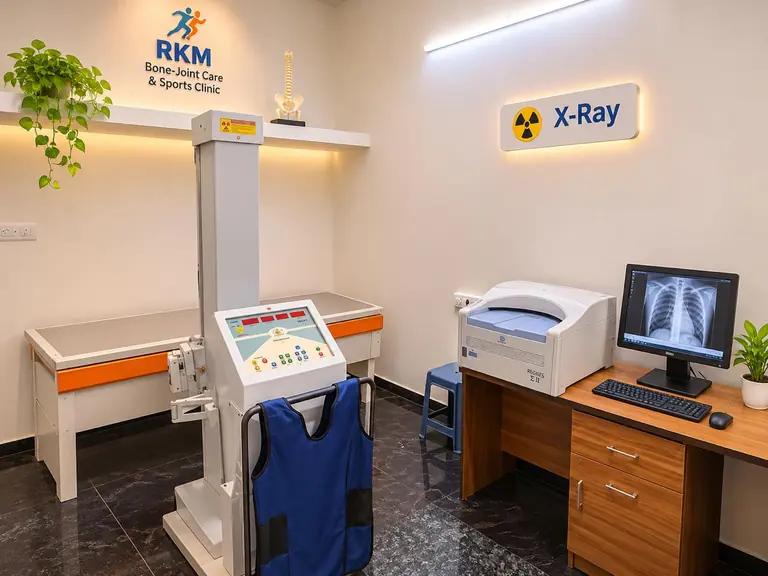
After examination and X-ray, the doctor decides the best way to hold the bone in the right position while it heals:
- Plaster cast or splint for stable fractures that are in good position
- Closed reduction: gently setting the bone back in place, followed by a cast
- Surgery (internal fixation) with plates, screws, nails or wires for displaced, unstable or joint fractures
- Follow-up X-rays to make sure the bone is healing in the correct position
- Physiotherapy after the cast is removed to regain movement and strength
How long does a fracture take to heal?
Most fractures in adults take about 6 to 12 weeks to heal, depending on the bone, the type of break, your age and health. Children usually heal faster. Smoking and uncontrolled diabetes slow down healing. Attending every follow-up visit is the best way to avoid stiffness and a bone healing in the wrong position.
Consult Dr. Rajkumar Ekambaram
Dr. Rajkumar Ekambaram (M.S. (Orthopaedics), FIJR (Shalby), FASM (ISAKOS), DSM (USA)), Consultant Orthopaedic Surgeon and Associate Professor & Chief at JR Medical College, Tindivanam, personally examines every patient at RKM Bone-Joint Care & Sports Clinic, explains the findings in simple language and plans treatment that suits your age, work and goals. He manages complex upper and lower limb fractures, open fractures, non-union and malunion, deformity correction and limb reconstruction, as well as fragility fractures and hip fractures in elderly patients.
Frequently asked questions
How do I know if it is a fracture or just a sprain?
Can a fracture heal without surgery?
How long will I need to wear a plaster?
Do you treat fractures in the evening?
This page is for general information. Every patient is different, so please consult the doctor for diagnosis and treatment advice.